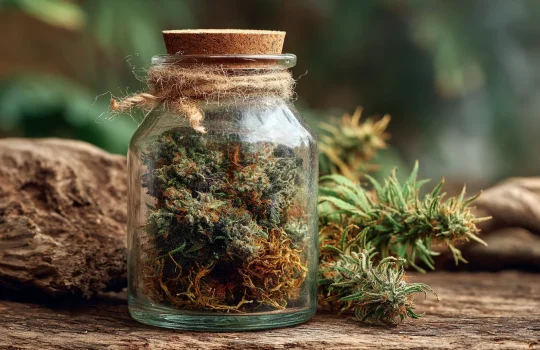
Open a jar of really good flower and the first thing that happens isn’t visual. It’s the nose. You get hit with something — maybe diesel, maybe sour candy, maybe pine forest, maybe a sweet doughy thing that doesn’t have a name. That whole sensory event is built on a single family of compounds: terpenes.
If THC is the engine of a cannabis experience, terpenes are the bodywork, the paint, the seats, and the sound system. They are the entire reason one strain feels like a different product from another strain even when the THC percentages are nearly identical.
Here’s what they actually are and why they matter.
What a terpene is
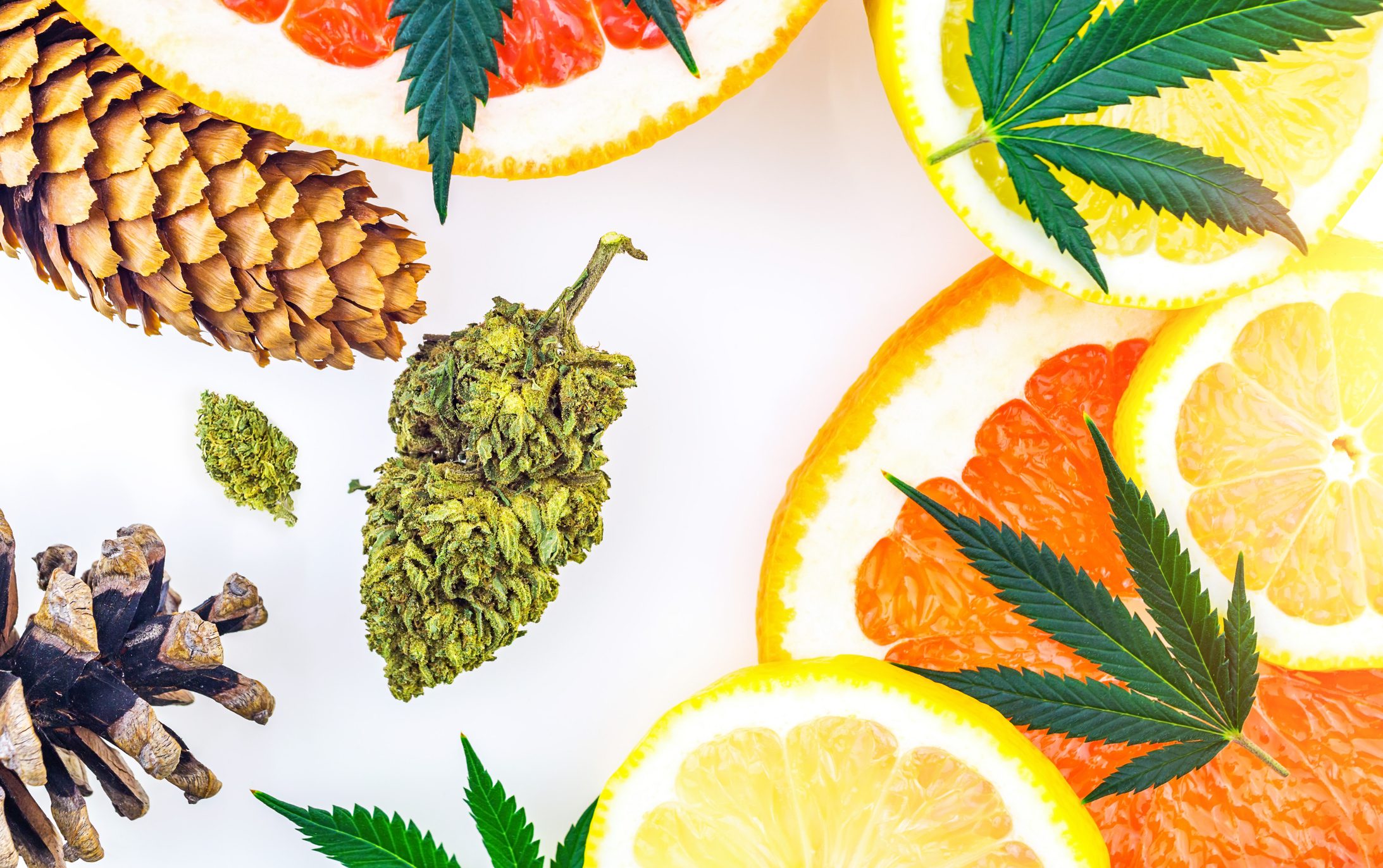
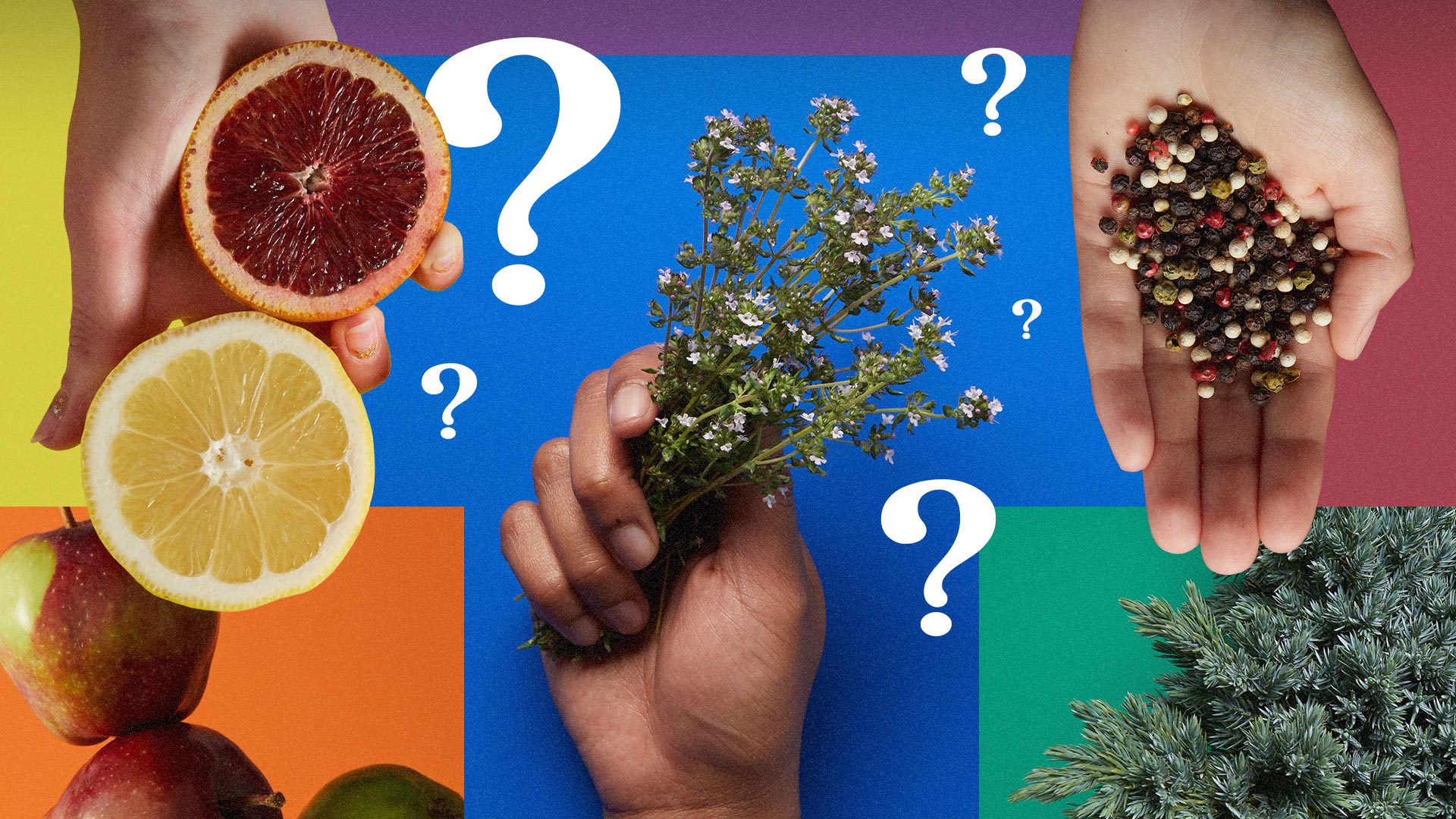
Terpenes are aromatic hydrocarbons produced by a huge range of plants, not just cannabis. The pine smell in a forest is a terpene. The citrus oil that sprays out of an orange peel is a terpene. The relaxing smell of fresh lavender is a terpene. They evolved in plants partly as a defense mechanism (some terpenes repel insects, some attract pollinators) and partly as a byproduct of metabolism.
Cannabis happens to produce them in unusual variety and concentration. A high-quality flower can contain more than a hundred different terpenes, though usually only six to ten of them are present in amounts large enough to noticeably shape the aroma.
A few things to know before we get into specific terpenes:
- Terpenes are volatile. They evaporate. Heat, light, oxygen, and time all degrade them. This is why a jar of flower left open on a windowsill smells like nothing after two weeks.
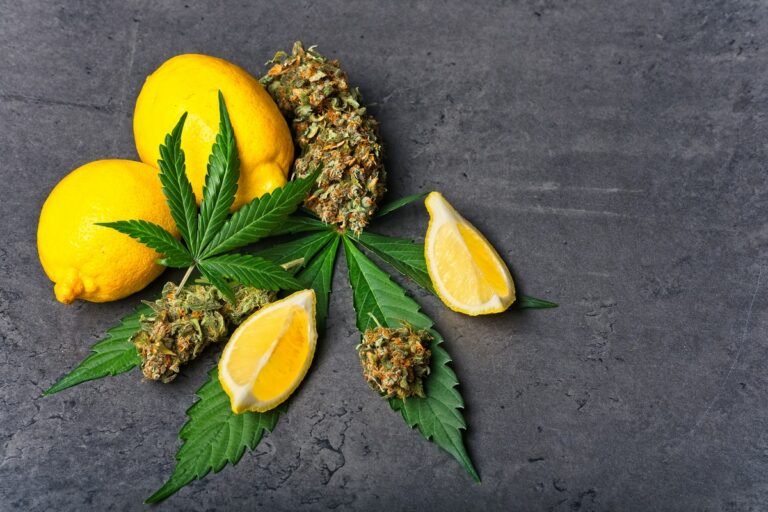
- Terpenes are not unique to cannabis. Limonene smells like lemon because it’s the same compound that’s in lemon peel.
- Terpenes shape experience, not just smell. Most experienced consumers will tell you that two strains with identical THC percentages can feel completely different, and the difference is partly the terpene profile.
That last point is contested in the scientific literature. The popular “entourage effect” theory says terpenes modulate the cannabinoid experience. Some studies support it; others suggest the effect is smaller than enthusiasts claim. The honest answer is: there’s real signal, but the magnitude is still being studied. We’re not going to overclaim.
The terpenes you’ll actually encounter
You don’t need to memorize all 150. You need to know the six or seven that account for most of what you smell.
Myrcene
The most common terpene in cannabis. Aroma: earthy, musky, slightly fruity — think ripe mango or damp soil after rain. It’s also the dominant terpene in hops, which is why beer and weed share a flavor lane. Myrcene-heavy strains often get described as “couch-locky” or “heavy,” though the science behind that reputation is thinner than the folklore.
Limonene
Aroma: bright citrus, lemon zest, sometimes orange. Found in citrus rinds, juniper, and rosemary. Strains carrying a lot of limonene often read as uplifting and bright on the nose. Lemon Cherry Gelato, as the name suggests, leans hard on this one.
Beta-Caryophyllene
Aroma: peppery, spicy, slightly woody. Same compound that gives black pepper its bite. Notable because it’s the one terpene that interacts directly with the body’s endocannabinoid receptors (specifically CB2). Gelato and Runtz lineages typically carry meaningful caryophyllene.
Pinene
Aroma: pine needles, rosemary, fresh herbs. The most common terpene in nature. Pinene-forward strains tend to feel sharper and more clear-headed in the nose.
Linalool
Aroma: lavender, floral, slightly sweet. The signature compound in lavender oil. Strains with prominent linalool usually have a softer, more floral profile.
Terpinolene
Aroma: complex, floral, herbal, slightly piney with a fruity edge. Less common than the others but very distinctive when present. Jack Herer is the classic terpinolene-dominant strain.
Humulene
Aroma: earthy, woody, slightly hoppy. Also found in hops and sage. Often shows up alongside caryophyllene.
“Gas” vs. “Candy” — what’s actually happening
The two big modern flavor camps in West Coast genetics are “gas” and “candy.”
Gas strains — Sour Diesel, OG-family flower, Chemdog descendants — get their fuel-like nose from a combination of terpenes including caryophyllene, myrcene, and some less-common minor terpenes like the ones in the OG line. The “diesel” character isn’t actually diesel; it’s an interaction of those compounds.
Candy strains — Runtz, Zkittlez, Gelato, Lemon Cherry Gelato — lean on limonene, linalool, and specific minor terpenes that combine to produce that fruit-and-cream profile. The “Skittles in a bag” sensation people describe in Zkittlez is real and it’s the terpene profile, not flavoring added after the fact.
Hybrid lineages like Zushi or Money Bag Runtz blend both worlds — sweet on the inhale, gas on the exhale, often because the parents brought different dominant terpenes to the cross.
Why “small-batch” actually matters here
If terpenes are volatile, the way cannabis is grown, dried, cured, and stored has an outsized impact on whether you taste what you’re supposed to taste. A few of the variables that matter:
- Drying speed. Too fast and terpenes flash off with the moisture. Too slow and you get mold. The right window is slow and humidity-controlled.
- Cure length. Proper curing in glass jars lets the terpene profile develop and stabilize. Most quality cannabis is cured for at least two weeks; some legacy growers go a month or more.
- Trim. Machine trimming is faster but bashes trichomes, which is where the terpenes actually live. Hand trim preserves more of them.
- Storage post-cure. Cool, dark, sealed, with humidity around 58–62%. Anything else and the profile starts breaking down within weeks.
This is the difference between a flower that smells like the lab report says it should and one that smells like dry hay. The cannabinoid percentage doesn’t change much during storage, but the terpene profile absolutely does.
How to actually use this
Three practical takeaways:
- Smell the jar before you buy if you can. If the aroma is faint, the terpenes have already started to go. If it’s loud and complex, the flower was handled well.
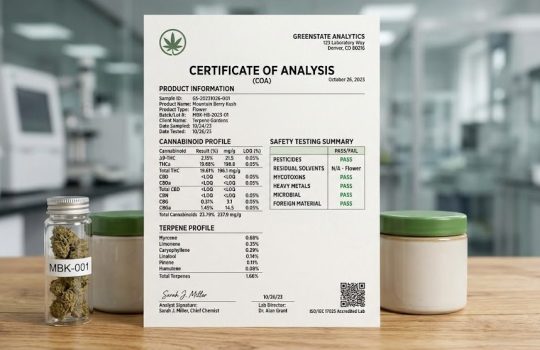
- Read the terpene panel on the COA, not just the THC line. A 24% THC flower with 3% total terpenes is going to feel meaningfully different from a 24% flower with 1% terpenes.
- Pay attention to what you actually like. Some people chase gas, some people chase candy, some people gravitate toward floral. Once you can name the terpene that keeps showing up in the strains you reach for, shopping gets much easier.
That’s the whole game, really. Cannabinoids set the ceiling. Terpenes set the experience.